عصر ديرينه سنگي عليا
عصر ديرينه سنگي عليا
ادامه نوشته
+ نوشته شده در یکشنبه بیست و هفتم آبان ۱۳۸۶ ساعت 1:12 توسط دکتر حسن ستاری ساربانقلی
|

حتما ناراحت شدین نه؟
کلاسهای جبرانی سر کلاس درسی با اطلاع و هماهنگی دانشجویان عزیز به حضور تمامی عزیزان خواهد رسید.
احتمالا اگه راضی باشن بچه ها روزهای دوشنبه و جمعه به نظرم خوبه واسه کلاس جبرانی ولی بازم سر کلاس هماهنگی میکنیم
در پناه خداوند بزرگ
موفق باشید.
....
راستی برام دعا کنید ۲۱ آبان پیش دفاع تزمه....
ممنونم

توی کلاس مبانی نظری تحلیلش میکنم
فعلا عکس ها و توضیحات خود زاهاحدید رو ببینین
لطفا هم نظر بدین ...بالای ۲۲۰۰ نفر بازدید کننده ولی نظرات خیلی کمه
...................
سعی کردم که دیگه خیلی کامل باشه عکساش....
اینم یه کار دیگه از زاهاحدید که opera house هست:
کلا کیفیت کارای حدید خیلی خاصه و مخصوص خودش
لطفا نظر بدین که بدونم این کارای معاصرو بذارم یا قطش کنم
نظر نباشه کار جدید دیگه تو وبلاگم قرار نمیدم
یا حق
مباني نظري معماري
•تعاريف معماري و شهرسازي
معماری دريافت بصري از به پرواز در امدن تفكرات خالق
لوكوربوزيه Le Corbusier : معماري بازي احجام زير نور است
تعريف معماري در فرهنگ لغت عبارت است از: هنر و علم طراحي و بناي ساختمانها.
ويتور ويوس : اولين شخصي كه گفت معماري هنر است.
والتر گروپيوس : از قاشق غذاخوري تا شهر دامنه كار معمار را تعريف ميكند
اتيون لوييس بوله : معماري چيست؟ آيا معماري هنر ساختوساز است؟ يقيناً خير
تادااو آندو : معماري بايد كاملاً با اطراف هماهنگي داشته باشد.
جان راسكين : معماري هنر مرتب كردن و تزيينات بناهاي ساخته شده توسط بشر به هر مقصودي است به قسمي كه در سادهترين نگاه سلامت، نيرو و لذت بردن روح را ميسر نمايد.
پل سزان نقاش فرانسوي در جايي چنين بيان كرده است كه « تمام فرم ها در طبيعت قابل تجزيه به استوانه، كره و مخروط ميباشند». شايد همين مشخصه بود كه چندي بعد صرف نظر از چالشهاي پرسپكتيوي ( به لحاظ تعدد نقاط ديد ) اصلي لا ينفك از اصول سبك كوبيسم ( مكعب گرايي ) در آثار حجمي و ترسيمي گرديد.
اثر معماري به مثابه رسانه
آثار معماري، جداي از كاركردهاي فيزيكي مي توانند از منظر ديگري مورد ارزيابي و توجه قرار گيرند كه اين منظر به قابليت ها و كاركردهاي پيامي آنها اشاره دارد.
آثار معماري گذشته از تعريف معماري؛«ظرفي براي زندگي»، ويژگيهاي ديگري هم دارند كه براي مخاطباني كه با نگاه انديشه ورز به آنها مي نگرند حاوي پيام هايي با محتواي فرهنگي و اجتماعي است.
آثار معماري به «رسانه اي» قابل تشبيهند كه با زبان «عناصر فضايي» با مخاطب سخن مي گويند
زبان معماري، زبان فضا و مكان است
تجربه حضور در يك فضاي معماري
حقيقت مخاطب مجموعه اي از پيام ها كه با زبان عناصر فضايي بيان مي شوند،
تجربه حضور در فضاي معماري : با حضور در يك فضا و مكان تمام ابعاد وجودي ما، چه به لحاظ فيزيكي و چه به لحاظ ذهني، مخاطب پيام اثر معماري قرار مي گيرد. به تعبير ديگر، اثر معماري همچون رسانه اي است كه پيامش با زبان فضا به مخاطب عرضه مي شود..
اگر كمي در چيستي و ماهيت اين پيام تامل كنيم مي توانيم بگوييم «پيام» آثار معماري همچون «پيام» رسانه هاي جمعي پيش گفته، مقطعي و كوتاه مدت نيست.
معماري پديده اي فرهنگي و اجتماعيست. پيام اثر معماري نيز همواره بازتابي از روح زمان است.
معماري -- همچون يك رسانه -- نقشي را ايفا مي كند كه مي توان از آن با تعبير ايجاد تداوم و پيوستگي فرهنگي در بافت فكري مردم و اجتماع ياد كرد.
تعريف معماري :
هر جا كه نياز به طراحي موجوديت يا سيستمي باشد كه ابعاد يا پيچيدگي آن از يك واحد معين فراتر رفته، يا نيازمنديهاي خاصي را تحميل نمايد، نگرشي ويژه و همه جانبه را لازم خواهد داشت كه در اصطلاح به آن ( معماري) گفته ميشود. معماري تركيبي است از علم، هنر و تجربه كه در رشته هايي نظير ساختمان داراي قدمتي چند هزار ساله است. معماري يعني ارائه توصيفي فني از يك سيستم كه نشان دهندة ساختار اجزاء آن، ارتباط بين آنها و اصول و قواعد حاكم بر طراحي و تكامل آنها در گذر زمان باشد.
آنطور كه برونو زوي، «شكستن جعبه» را از اصول معماري مدرن مي داند و اين شكستن را به عملكرد نيز كه دلمشغولي معمار مدرن است مربوط ميكند، ساير پيش آهنگان معماري مدرن نيز كيفيات تنديس گرايانه منتج از اين ديدگاه را كاملا وقع نهاده اند.
ويژگي بياني يا كانسپچوال معماري علي الخصوص در عصر حاضر در مواري حتي با افراط ـ مورد توجه بوده، و به عنوان عرصه تبديل ايده به حجم در مفهوم رسانه اي معماري مورد چالش واقع ميگردد
آیین نامه حمورابی:
هرگاه معماری خانه ای برای شخصی بسازد و ساختمان آن را محکم بنا ننماید بطوریکه خانه ساخته او خراب گردد و موجب مرگ صاحبخانه شود آن معمار را باید اعدام نمود.هرگاه این امر موجب مرگ فرزند صاحبخانه شود باید یکی از فرزندان معمار را اعدام نمود.
( لغت نامه دهخدا):
معماري در لغت به معناي علم بنايي و ابعاد سازي آمده است
معمار به معناي بسيار عمارت كننده آنكه عمارت كند وموجب رونق و تعالي گردد
عمارت نيز به معني آبادي است.
لغات هم ريشه معماري و عمارت نيز همه معنايي از آباداني و زندگي و حيات را درخود دارند.
معمر به معناي طويل العمر، معمر به معناي منزل فراخ با آب و گياه ومردم است.
معمور يعني آبادان آباد مسكون و داراي جمعيت از مردمان
موضوع معماري درباره فضاست
تعاريف مختلفي كه تاكنون از معماري ارائه شده است، اغلب به گونه اي بر اهميت فضا در معماري تاكيد ميكنند،
بطوريكه وجه مشترك بسياري از اين تعاريف، در تعريف معماري به عنوان فن سازماندهي فضا است
فلسفه يا ادبيات - قلمروهاي ممكن
معماري به عنوان اجتماعيترين هنر بشري با فضاي اطراف انسان مرتبط است.
از ديدگاه اگوست پره(Auguste Perret) ، معماري هنر سازماندهي فضاست و اين هنر از راه ساختمان بيان ميشود
ادوارد ميلر اپژوكوم (Edvard Miller Upjokom) نيز معماري را هنر ساختن و هدف كلي آن را محصور كردن فضا براي استفاده بشر تعريف ميكند.
گفته لامونت مور (Lamont Moore) نيز معماري هنر محصور کردن فضا جهت استفاده بشر است
فرانسيسكو ميليزيا : معماري هنر ساختن است.
تويوايتو : معماري پديده شهري است.
در قرآن کریم نيز در مواردي به ساختن و معماري و يا عمارت كه ريشه معماري دارد، اشاره شده است. هنگامي كه خدا ميفرمايد “عمروالارض” يعني زمين را آباد كنيد و زمين بنايي والا مي باشد. تعمير هم از همين ماده است و همچنين عمر نيز به معناي تعمير بدان بواسطه روح است واگر زيارت خانه خدا هم عمره مي گويند باز به همين خاطر است كه زيارت مردم مايه آباداني بيت الله الحرام است. در تفسيرالميزان مجموعه اين معاني ( لغوي وقراني) نشان مي دهد كه مفهوم “معماري” عميقتر از ساختن به تنهايي و ابعادش وسيعتر از به وجود آوردن كالبد يك ساختمان ميباشد كه مفاهيمي مانند زندهسازي و احياء و تداوم وحيات وآباداني را درخود نهفته دارد يا به عبارت ديگر معماري همواره به معناي ايجاد فضايي با روح و حيات تصور مي گردد.
رمانتيسمها : معماري هنر مستقل است .
فوتوريستها : معماري تحت تأثير جهان مكانيكي و تكنولوژي ميباشد.
در مقام تعريف معماري بايد به چند نكته زير توجه كنيم
معماري نوعي عمل خلاقانه است
مقصود آن شكل دادن به فضاي زيست انسان درتماميتش ميباشد
گستردة آن از جوابگويي به نيازهاي انساني در پيوند با محيط و طبيعت تا بيان عواطف و اعتقادات او طيف وسيعي را در برميگيرد.
لوكوربوزيه : معماري غير از نمايش ساخت و پاسخ دادن به نيازها است.(منظورم از نيازها استفاده ،راحتي و آسايش عملي است)
اسنووا : ايدولوژي لادوفسكي درباره ساخت گرايي اينگونه معرفي شده بود كه معماري بايد تركيب سه عامل روراستي فني، امكان پذيري اقتصادي و بيان تجسمي باشد.
ل.بنهووله : معماري مدرن از تغييرات فني، اجتماعي و فرهنگي ناشي از انقلاب صنعتي، زاده شده.
كريستين نور برگ-شولتز : شايد به اين نتيجه برسيم كه صفت كمال معماري در گرو سه معيار اساسي است، نقش ساختمان، شكل و فنون.
هولاين : همه معمارند و همه چيز معماري است.
آدلف لوس : معماري چيزي نيست جز يادمانها و مقبرهها.
ايزنمن : معماري امروز ما بايد منعكس كننده شرايت ذهني و زيستي ما باشد و آنچه كه در معماري امروز ما مورد غفلت قرار گرفته بخشي از زندگي ما است
والترگروپيوس : معماري هنر كاربردي است و در ارتباط نزديك با ساير هنرها شكل ميگيرد و نمونه بارز اين تعريف مدرسه باوهاس ميباشد.
آنتونيوگااودي : معماري بازگشت به طبيعت و زيست محيط است.
چارلز جنكز : معماري از جنس واژه و حرف نيست و نميتوان در غالب الفاظ آنرا بيان كرد.
آگوست پره : معماري زنده آن است كه معرف صادق زمانه خود باشد.در همه قلمروهاي ساخت آنرا ميجوييم و از ميان آنها كارهايي را برميگزينيم كه سخت از كاربري مورد انتظار تابعيت كرده ،با مصالح خردمندانه ساخته شده و با تركيب متناسب عناصر ضروري به زيبايي دستيافته باشند.
رابرت ونتوري : معماري تنها تكنيك و تكنولوژي نيست بلكه مسايل بسيار پيچيده و متضاد در ساختمان وجود دارد كه نميتوان آنها را ناديده گرفت.
رابرت ونتوري : معماري ادامه فرهنگ، تاريخ و سنت است .
بهرام شيردل : معماري هنر نيست، معماري علم است و بايد در خدمت جامعه باشد.
فلوبرت : آرشيتكتها همه احمقاند –پلهها را هميشه فراموش ميكنند. (كتاب فرهنگ عقايد معاصر)
ویلیام موریس : معماری شامل تمام محیط فیزیکی است که زندگی بشر را احاطه می کند و تا زمانی که عضوی از اجتماع متمدن هستیم نمی توانیم از حیطه آن خارج شویم زیرا معماری عبارت از مجموعه تغیرات و تبدیلات مثبتی است که همامنگ با احتیاجات بشر روی سطح زمین ایجاد شده است و تنها صحراهای دست نخورده ار آن مستثنی هستند

CUBE design & research have launched a new website and blog “Rethinking Preservation’ dedicated to building architecture preservation.. i already added the two links on the right in the sidebar under Architecture and Architecture Blogs.
read below the description regarding this site as described by CUBE:
” With many significant modernist landmarks increasingly under threat, CUBE design + research has created a proposal that rethinks traditional notions of preservation. The following links to an animation that uses Paul Rudolph’s Blue Cross Blue Shield office building in Boston as a catalyst for exploration. The animation is part of a new website that aims to incite a dialogue about the place of preservation in an ever-changing urban landscape.”
- Via NewYork Times

“Few architects today have the finesse of Ben van Berkel. Working with his partner, Caroline Bos, the 50-year-old Amsterdam native has become one of a handful of designers whose approach, driven by a fascination with new computer-age technologies, has a touch of the prophetic. Of all of them, he has so far come closest to fulfilling the dream of a truly elastic world, one in which the boundaries between work and play, private and public life have all but melted away.
But in the Villa NM, the first project his Amsterdam-based firm, UNStudio, has completed in the United States, van Berkel combines this intellectual rigor with something new: a blend of play and eroticism that is a welcome relief from the puritanical tone that has infected the world of contemporary high culture.
Designed for a Russian client as a weekend house in Sullivan County, N.Y., the Villa NM conjures a tornado of images: Hudson River School paintings, garish Las Vegas casinos, ’70s kitsch and Russian fairy tales. Somehow van Berkel manages to fuse these images into a coherent architectural vision, one that allows the mind to drift through different worlds without ever becoming unhinged. The result is confirmation, if any more was needed, that van Berkel is an architect who is now hitting his full creative stride.

The view from the third-level landing down to the living room.
The client helped. A short, wiry man with penetrating eyes, Leo Tsimmer grew up in the Soviet city of Sverdlovsk (now Yekaterinburg), a grim industrial wasteland at the base of the Ural Mountains. He brings to mind the kind of maverick spirit that once defined the American West: a healthy willingness to take risks coupled with a disdain for the values of the crusty Old World establishment.

From the living room, a view of the twisting stairs that lead back to the third level and master bathroom, and down to the kitchen and entrance.
Before the fall of the Soviet Union, Tsimmer moved to Moscow, where he quickly joined a new breed of scrappy capitalists then reshaping Russia. He organized Moscow’s first rave and even opened a chain of American-style doughnut shops. Eventually, he made his way to the United States, where he expanded his business empire by exporting commodities like frozen chickens to Russia at a time when the Soviet economy was in free fall and grocery shelves in the Russian capital were often bare.

The pattern of the shower’s marble wall is reflected in the green lacquer of the master bathroom cabinets.
“I’m a hard-core capitalist,” Tsimmer said, standing in front of his new house in a dark flowered shirt, worn jeans and flip-flops. “But I still believe in socialism as a utopia. I just don’t know anyone who can get us there.”
Like any upwardly mobile New Yorker, Tsimmer soon began thinking about building a country house for himself; his wife, Angelika Lee; and their two kids. He found a 13-acre plot in a quiet corner of Sullivan County, a two-hour drive northwest of the city, and a few months later he spotted a model of van Berkel’s Mobius House while wandering through a show on the design of contemporary houses at the Museum of Modern Art.
“I didn’t know much about contemporary architecture then, but I loved the house,” Tsimmer said, remembering the moment. “I called the architect’s office in Amsterdam and asked for a meeting. A month later I handed him a check.”
For his part, van Berkel still seems slightly shocked describing the brusqueness of the encounter. “We met at a hotel bar, and we started to play with this idea of a Russian dacha,” he told me recently over drinks in Amsterdam. “He gave me a check on the spot. He was an unusual client. He was not afraid to experiment. Super-open-minded.”
With a little imagination, in fact, you can picture the house in the Russian countryside. To get to it, you drive past miles of rolling hills scattered with the occasional old barn and cheap one-story houses clad in vinyl siding. Eventually, you turn down a bumpy dirt road, winding up to the top of a hill surrounded by pine and birch trees with a view of undulating mountains.

The ambiguity between wall and floor is evident in this image of the stair connecting the kitchen and the living room.

In a child’s room, the pitched floor follows the curve of the window
The Villa NM stands atop this landscape, resting amid a dewy lawn with the coiled energy of a cobra getting ready to strike. Sealed inside a taut skin made of earth-colored spray-on concrete and mirrored glass, its rectangular form twists at midpoint, then lifts up at one end to form a canopy over a small carport.
As you circle to the back, the form twists again, this time to trace the slope of a hill. A series of decks step down to a pool, their smooth marble surfaces a sly tribute to the famous floating planes of Mies van der Rohe’s Barcelona Pavilion.
The meaning of these contortions becomes clear only from the inside. An informal entry leads from the carport into the kitchen, whose back wall is made of polycarbonate panels embedded with softly colored L.E.D. lights. From here, the room narrows into a funnel-like passageway that twists violently to connect the two ends of the house: a floor twists around to become a wall; a wall turns into the ceiling. Broad steps cascade down through this space from the living area above.
This is the house’s connective tissue, and its elastic form conjures multiple metaphors: the muscular structure of an alien creature, a piece of toffee, a birth canal. But why mince words? It’s simply one of the most gorgeous private staircases in America. As you reach the top and enter the living room, a sweeping view of the mountains opens up through bronze tinted glass. The sequence then switches back, with a second set of stairs leading up to the bedrooms and a decadent marble-clad bathroom.
What’s most striking about the interiors, however, is their mutability. Rooms appear and then disappear from view. Spaces stretch and contract. The graceful flow of movement through the center of the house contrasts with quieter corners at either end.
To some, this may be a scary statement about our current era, where the boundaries between private and public life have less and less meaning. But it is also an attack against a central tenet of early Modernism: the association — now seemingly so naïve — of transparency and light with a healthier, morally pure society.
As van Berkel put it: “You could never hide yourself in these places — in Mies’s Farnsworth house, for example. That was a mistake of Modernism. People need places to hide from each other, too. You need everything.”
That suspicion of Modernism’s dogmatic streak is underscored by a number of playful touches. A living room fireplace, clad in brass, brings to mind a sophisticated take on the swinging ’70s; speakers are set in the pool so that you can listen to disco while frolicking underwater. (Tsimmer claims this last detail was inspired by childhood memories of watching synchronized swimmers perform on Soviet television.)
Best of all is the play of reflection and transparency in the windows, which are made of the same bronze-tinted glass used in old Las Vegas casinos. Standing in the living room on a bright afternoon, the glass gives the surrounding landscape a glorious bronze glow. But as the sun sets, the glass becomes mirrored. The landscape slowly recedes from view and you see yourself reflected in glimmering bronze. At the same time, you become suddenly aware that people can gaze in from outside, giving the house a voyeuristic frisson.
Such refinements are a testament to van Berkel’s maturity. He began his architecture career in the mid-1980s working for Zaha Hadid, who was then known for her dynamic, formal language, followed by a brief stint in the office of Santiago Calatrava, a designer known for flamboyant feats of engineering. These seemingly contradictory experiences have obviously served him well: his own architectural voice demonstrates both a willingness to explore uncharted conceptual territory and a deep understanding of how things are put together, giving his work a substance that is rare even among his most talented peers.
His first significant civic project, a bridge completed in 1996 in Rotterdam, the Netherlands, is reminiscent of Calatrava’s early work. The contrast between its towering wishbone-shaped pier and the lightness of the roadway creates an exquisite tension. It’s the kind of structural daring that makes Calatrava fans gush.
But while Calatrava has gone on to make increasingly flamboyant, even self-indulgent works, his protégé’s designs have become more taut and precise. In 1998, van Berkel caught the attention of many in the architecture world with the completion of the 1998 Mobius House, whose faceted concrete and glass interior was organized in a kind of elaborate figure eight. The house, which is located in Het Gooi in the Netherlands, had some of the overwrought detailing typical of a young architectural talent brimming with ideas — every handrail seems designed to make a major architectural statement. But it was also an expression of a wonderfully nuanced mind.
Taking his cue from the music of modern composers like Schoenberg and Boulez, van Berkel found that by using a limited palette of three angles — of 4, 7 and 11 degrees — he could produce a remarkably complex composition that nonetheless retained an underlying clarity. “It was a way to create a more disciplined model,” he said. “And I think it also gives the project a calmness that you might not notice at first.”
This compositional rigor was coupled with a social mission: to create a more elastic relationship between private and communal space. The owners’ respective work spaces, for example, anchor the two ends of the house, while the living area is located at the point where the various pathways through the house intersect, so that they are constantly drifting back and forth between the two.
By the time of the completion of the Mercedes-Benz Museum in Stuttgart, Germany, early last year, van Berkel was a more confident talent. Conceived as a finely honed machine, the museum is a bold reworking of the rotunda of Frank Lloyd Wright’s Guggenheim Museum.
Its complex, interlocking spirals — a system of ramps that lead down through galleries stocked with sleek cars — revealed the same preoccupation with complex geometries as his earlier work, but with an astounding level of refinement.
Unfortunately, van Berkel has had less success in the United States. In 1999 he was included in a competition sponsored by the Canadian Center for Architecture to come up with proposals for the development of a vast site extending west from Madison Square Garden to the Hudson River, but nothing came of it. A year later, he was awarded a commission for the design of a major addition to the Wadsworth Atheneum Museum of Art in Hartford. The design featured an ingenious system of intertwining ramps that connected several existing 19th-century buildings around a central court. But the museum’s board and directorship changed, and it died.
The Villa NM is a taste of what we’ve been missing. The seeming ease with which van Berkel handles such a complex formal language makes you eager to see the discoveries that are yet to come.
In the end, however, the house’s most delicious feature may be the way it playfully mocks our cultural pretensions. In a society driven by rampant careerism and painfully averse to risk — especially the risk of being labeled gauche — the house is a monument to what can happen when you let go of inhibitions. It proves that the slickness of the computer age does not necessarily have to lead us to a world sanitized of sensual charms.” NY TIMES
- Via Bustler

“The Swiss architect team “Herzog & de Meuron” opened their joint office in their hometown Basel in 1978. The two architects have known each other since childhood, and both studied architecture at the Swiss Federal Institute of Technology in Zurich. They claimed international attention with domestic projects such as the Ricola Storage Building (1987) and the Central Signal Box (1999). Their international projects include the conversion of a former power station into the Tate Modern (2000) in London and the Prada Aoyama Epicenter (2003) in Tokyo. In 2001, the team won the Pritzker Prize and were noted for “refining traditions of modernism to elemental simplicity, while transforming materials and surfaces through the exploration of new treatments and techniques.” Herzog and de Meuron, both avid soccer fans, designed the soccer stadium in Basel and the World Cup soccer stadium Allianz Arena (2005) in Munich. The Main Stadium for the 2008 Olympic Games in Beijing is now under construction.”
همایش معماری و سینما
محور کلی همایش :
چارچوب كلي همايش، تعامل سينما و معماري در ابعاد مختلف و بررسي انواع نسبتها يا پيوندهائي است كه بين اين دو بهصورت ماهوي، فني/ ابزاري و يا كاربرد و نقش يكي در ديگري، برقرار ميشود. براي ايجاد آمادگي ذهني بيشتر، سرفصلهاي پيشنهادي دبيرخانة همايش به قرار زير اعلام ميگردد:
- نسبت سينما با مكان و زمان؛
- هويت مكان و نقش آن در ساختارهاي سينمائي؛
- نقش معماري و سينما در شكلگيري خاطرههاي جمعي و تاريخي؛
- عنصر دراماتيك در سينما و معماري؛
- اشتراكات آموزشي در سينما و معماري؛
- تشابه سينما و معماري به لحاظ مفهومي، تكوين ايده و فرآيند توليد اثر؛
- اشتراكات شكلي در سينما و معماري (حركت و سكون، نور و سايه، سلسله مراتب...)؛
- نقش چينش اشياء در فضاسازي معماري و سينمائي (انعكاس تأثيرگذار يك روحيه و حال و هوا)؛
- ارجاع معماري به سينما و ارجاع سينما به معماري"شامل نوعي از طرحهاي معماري كه با الهام از سينما صورت ميپذيرد و فعاليتي كه طراحان صحنه براي استفادة سينما از نوع خاصي از معماري (تاريخي، مدرن، فانتزي، تخيلي و نظاير آن)، به انجام ميرسانند".
رعايت موازين پژوهشي در مقاله (چكيده، فرضيات، نتيجهگيري، ارجاعات، فهرست منابع و...) الزامي است.
- دبيرخانة همايش از پذيرفتن مقالههايي كه قبلاً ارائه يا منتشر شدهاند، معذور است.
- مقالهها پذيرفته شده در كتاب مجموعه مقالات همايش چاپ خواهند شد.
- دبيرخانة همايش در انتخاب و ويرايش مقالههاي ارسالي آزاد است.
- هر مقاله بايد در 12 الي 20 صفحة 4A در محيط 2000 word همرا با ديسكت تنظيم شود.
- مقالهها پذيرفته شده براي ارائه در همايش و چاپ يا منحصراً براي چاپ، در نظر گرفته ميشوند.
- دبيرخانة همايش از محققاني كه مقالههاي آنان پذيرفته شده و مايل به حضور در همايش هستند، دعوت بهعمل خواهد آورد.
مهلت ارسال مقاله ها :
خلاصه مقالات:3 آبان 1386
اصل مقالات: 18 آذر 1386
برگزاري نمايشگاه سينما و معماري شامل تصاوير، ماكت، نمايش قطعات منتخب از فيلمهاي سينمائي مرتبط با موضوعات همايش، كتب و نشريات جمعآوري شده و نمايش فيلم به مدت 5 روز.
همايش در 18 دي ماه 1386 در مجموعة فرهنگي ـ هنري آسمان وابسته به فرهنگستان هنر جمهوري اسلامي ايران برگزار ميگردد.
دبير علمي : سيد محمد بهشتي
دبير اجرايي : سجاد محمد يارزاده
نشاني دبيرخانه
ايران ، تهران ، خيابان فلسطين جنوبي ، خيابان لقمان ادهم ، بنبست بوذرجمهر ، پلاك 23 ، معاونت علمي ـ پژوهشي فرهنگستان هنر جمهوري اسلامي ايران.
تلفن : 4-66951650 نمابر : 66951657
Researches@honar.ac.ir
هدف اطلاع رسانی بیشتر و عمیقتر معماری است.مفاهیم و سمینارها و اخبار و برخی گزارشات معماری را در این وبلاگ قرار خواهم داد.
حتما به وبلاگاطلاع رسانی اخبار معماری http://architecture-news.blogfa.com هم سر بزنید.
پشیمان نخواهید بود
مباني نظري معماري
lجنبش ها و سبک هاي هنري
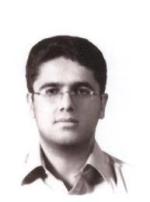 حسن ستاری ساربانقلی